

Graeca / Latina

Гарно знаєте латинські та грецькі назви органів? Do you know names of organs in Latin and Greek ?
Start

Вы завершили!
Your answers are highlighted below.
Question 1 |
Ясна грецькою? / Gum in Greek?

A | Ulon |
B | Desmos |
C | Alveola |
D | Gingiva |
Question 1 Explanation:
Ясна - слизова оболонка, що покриває альвеолярний відросток верхньої щелепи. / The gums or gingiva, consist of the mucosal tissue that lies over the mandible and maxilla inside the mouth.
Question 2 |

Стравохід латинською? / How is the esophagus in Latin?
A | Oisofagos |
B | Gaster |
C | Pharynx |
D | Oesophagus |
Question 2 Explanation:
Езофагіт - запалення стравоходу. Esophagitis (or oesophagitis) is inflammation of the esophagus.
Question 3 |

Який це орган? / What organ is it?
A | Epiphysis |
B | Pancreas |
C | Thymus |
Question 3 Explanation:
Панкреатит - запалення підшлункової залози. Pancreatitis - inflammation of the pancreas.
Question 4 |
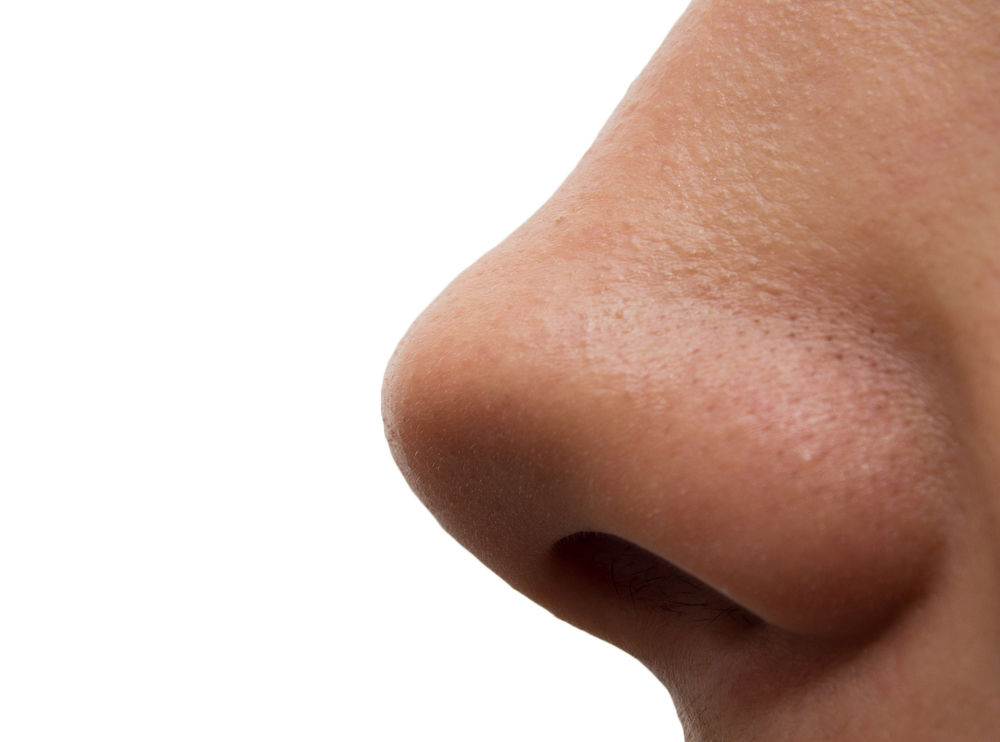
Ніс грецькою? / How is the Nose in Greek?
A | Labium |
B | Rhinos |
C | Nasus |
Question 4 Explanation:
Риніт - запалення слизової оболонки порожнини носа. / Rhinitis - inflammation of the nasal mucosa.
Question 5 |
Живіт грецькою? / How is the abdomen in Greek?

A | Pelvis |
B | Cavum |
C | Lapara |
D | Abdomen |
Question 5 Explanation:
Лапаротомія – це хірургічна процедура, яка включає розтин черевної стінки для доступу до черевної порожнини. / A laparotomy is a surgical procedure involving an incision through the abdominal wall to gain access into the abdominal cavity.
Question 6 |

Язик грецькою? / How is the tongue in Greek?
A | Glossa |
B | Lingua |
C | Stoma |
Question 6 Explanation:
Глосит – це інфекційне запальне захворювання язика. Glossitis - an infectious inflammatory disease of the tongue.
Question 7 |

Cім'явиносна протока латинською? / How is the vas deferens in Latin?
A | ductus spermaticus |
B | ductus deferens |
C | tuba uterine |
Question 7 Explanation:
Диферентит — запалення сім'явиносної протоки. / Deferentitis — inflammation of the vas deferens.
Question 8 |

Шлунок грецькою? / How is the stomach in Greek?
A | Intestinum |
B | Colon |
C | Stoma |
D | Gaster |
Question 8 Explanation:
Гастрит - запалення слизової оболонки шлунка. Gastritis - inflammation of the gastric mucosa.
Question 9 |

Легеня грецькою? / How is the lung in Greek?
A | Pleura |
B | Pneumon |
C | Bronchi |
D | Pulmo |
Question 9 Explanation:
Пневмонія (pneumonia) - запалення легенів. Pneumonia - inflammation of the lungs.
Question 10 |

Шлунок латинською? / How is the stomach in Latin?
A | Venter |
B | Gaster |
C | Hepar |
D | Duodenum |
Question 10 Explanation:
Шлу́нок — це порожнистий орган шлунково-кишкового тракту, що розташований між стравоходом та дванадцятипалою кишкою. / The stomach is a muscular, hollow organ, part of the digestive system.
Question 11 |
Сухожилок грецькою? /
How is the tendon in Greek?
A | Tendon |
B | Tenon |
C | Ligamentum |
D | Tendo |
Question 11 Explanation:
Тенолізис – звільнення сухожилка від рубців (спайок). /
Tenolysis is the operation of freeing a tendon from adhesions.
Question 12 |

Губа грецькою? / How is the lip in Greek?
A | Ileum |
B | Cheilos |
C | Dentes |
D | Buccae |
Question 12 Explanation:
Хейліт - запалення слизової оболонки або червоної облямівки губ. / Cheilitis is inflammation of the lips.
Question 13 |
Матка латинською? / How is the uterus in Latin?
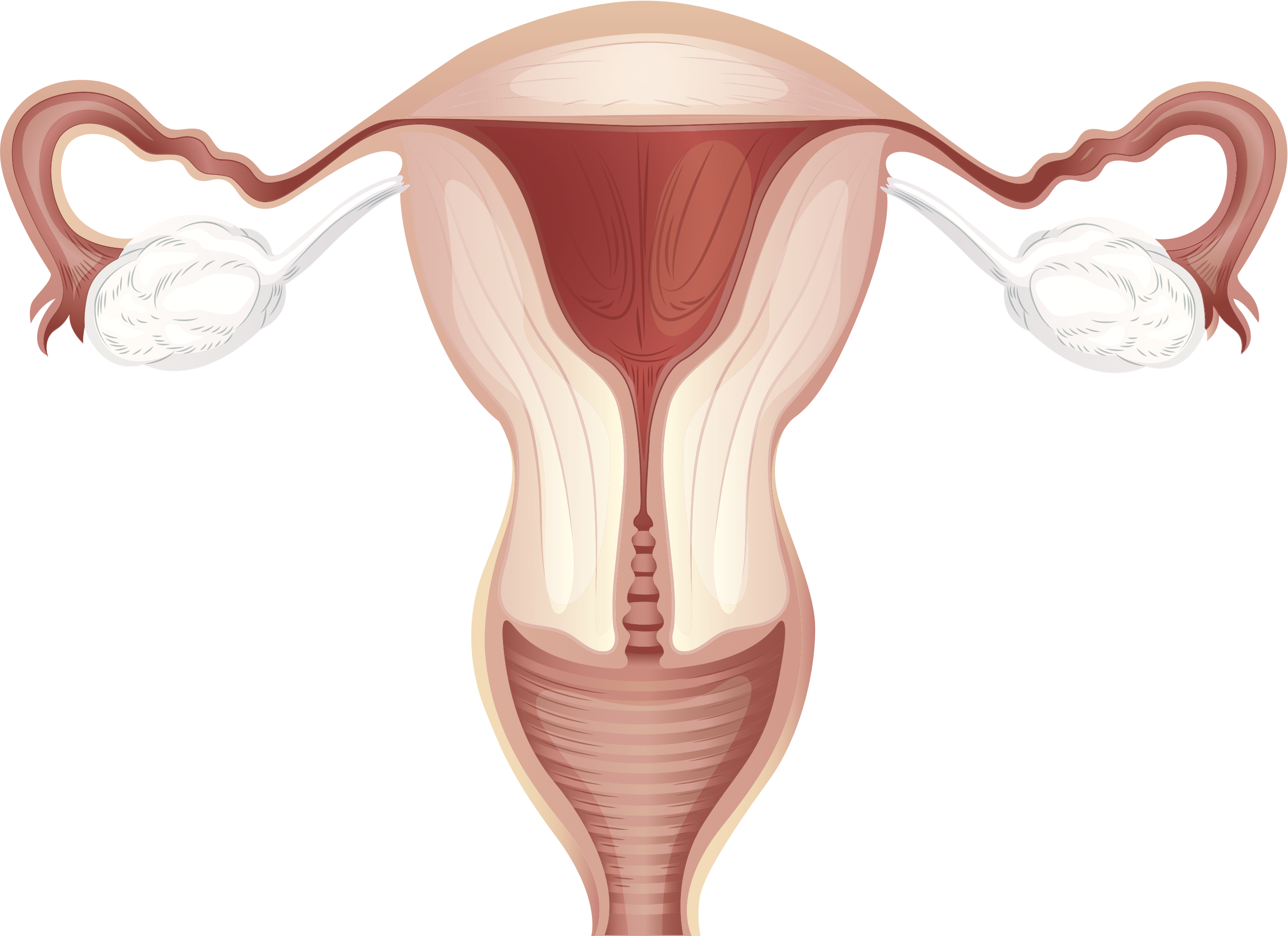
A | Uterus |
B | Metra |
C | Urethra |
D | Hystera |
Question 13 Explanation:
Матка – це жіночий статевий орган, розташований між сечовим міхурем та прямою кишкою. / The uterus is a female reproductive organ located between the bladder and the rectum in the pelvic area.
Question 14 |
Стопа грецькою? / How is the foot in Greek?

A | Podos |
B | Tarsus |
C | Sura |
D | Pes |
Question 14 Explanation:
Подагра – сильний біль в стопі. / Podagra – severe pain in the foot.
Question 15 |
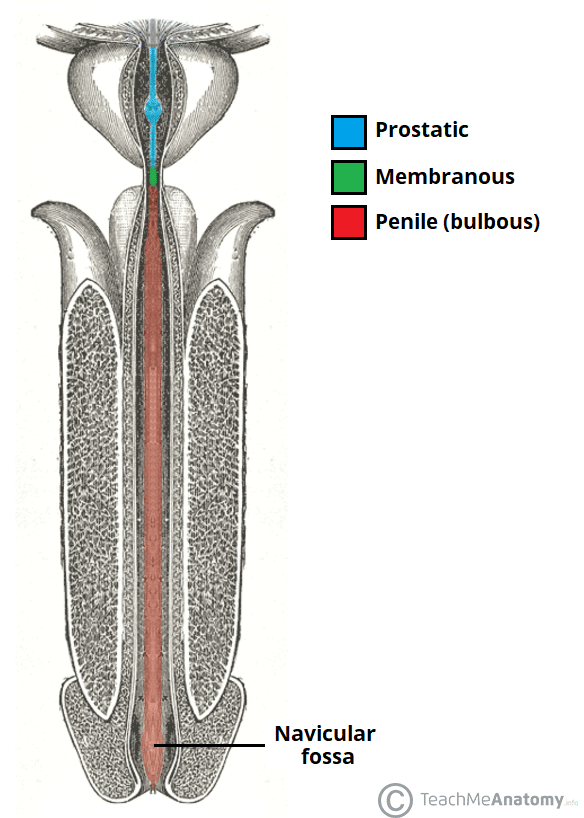
Сечівник латинською? / How is the urethra in Latin?
A | Meninges |
B | Proktos |
C | Urethra |
D | Bladder |
Question 15 Explanation:
Уретрит — запалення сечівника. / Urethritis - inflammation of the urethra.
Question 16 |
.png/250px-Cieco(anatomia).png)
Сліпа кишка грецькою? / How is the caecum in Greek?
A | Typhlon |
B | Caecum |
C | Colon |
D | Appendix |
E | Rectum |
Question 16 Explanation:
Тифліт - запалення сліпої кишки. Typhlitis - inflammation of the caecum.
Question 17 |
Вухо латинською? / How is the ear in Latin?

A | Helix |
B | Otos |
C | Auris |
D | Auricula |
Question 17 Explanation:
Вухо – це орган слуху та рівноваги. / Ear is the organ of hearing and of equilibrium.
Question 18 |
Яка частина мозку розташована між великим мозком (Cerebrum) та стовбуром головного мозку (truncus enchephali)? / What part of the brain located between the cerebrum and the brain stem?
A | Diencephalon |
B | Thalamus |
C | Pons |
D | Mesenchephalon |
Question 18 Explanation:
За формою і топографічними співвідношеннями структур головний мозок поділяють на великий мозок, проміжний мозок!, мозочок і стовбур головного мозку (середній мозок, міст та довгастий мозок).
Question 19 |
Зуб латинською? / How is the tooth in Latin?
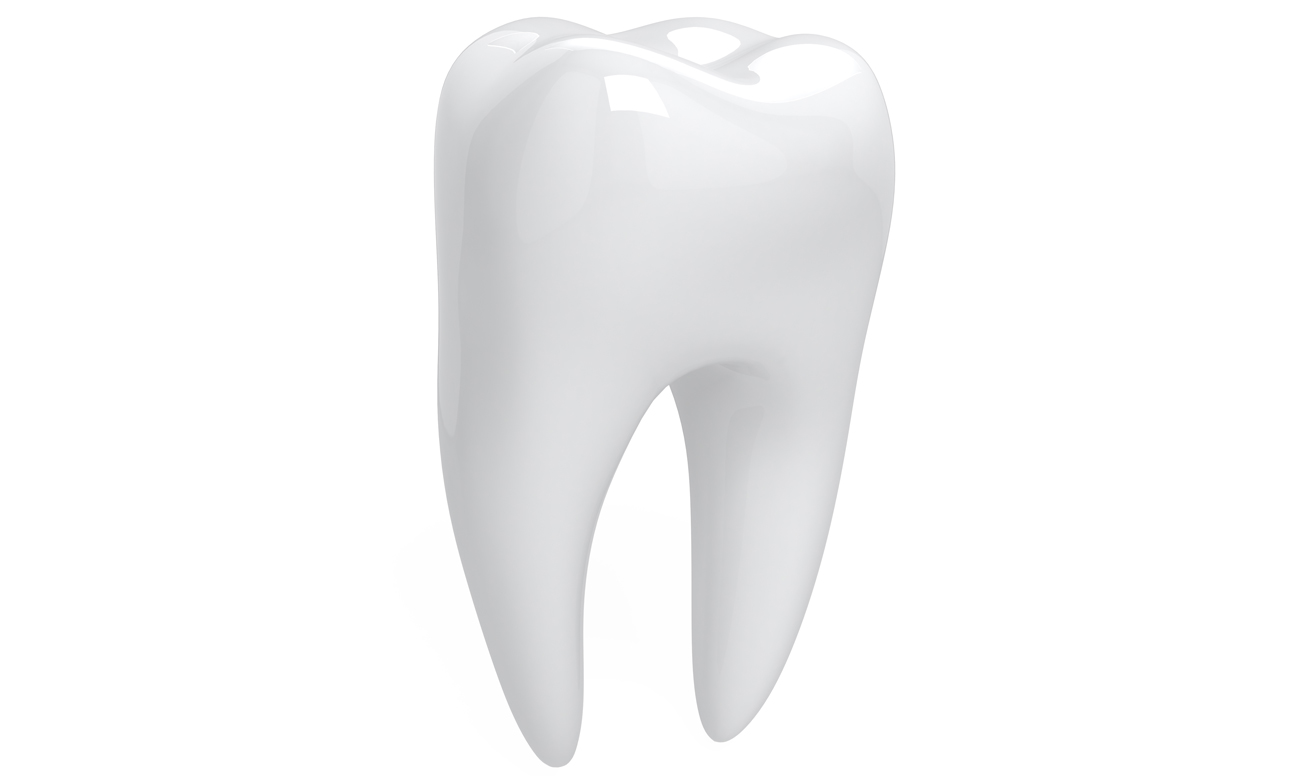
A | Pulpa |
B | Dens |
C | Odontos |
D | Dentinum |
Question 19 Explanation:
Зуб – тверда, звапнована структура, розміщена в альвеолярних відростках щелеп для кусання та жування їжі. / Tooth - one of the hard, calcified structures set in the alveolar processes of the jaws for the biting and mastication of food.
Question 20 |

Яєчник латинською? / How is the ovary in Latin?
A | Othyron |
B | Oophoron |
C | Omomon |
Question 20 Explanation:
Оофорит – це запалення яєчників. / Oophoritis - an inflammation of the ovaries.
Question 21 |
Око латинською? / How is the eye in Latin?
A | Ophthalmos |
B | Limbus |
C | Oculus |
D | Cornea |
Question 21 Explanation:
Очі – органи зору. / Eyes are the organs of vision.
Question 22 |
Хребець латинською? /
How is the vertebra in Latin?
A | Spondylos |
B | Processus |
C | Vertebra |
D | Condylus |
Question 22 Explanation:
Хребці складаються з тіла, дуг та різноманітних відростків.
Vertebrae are composed of a body, arches and various processes.
Question 23 |
Нерв грецькою? / How is the nerve in Greek?
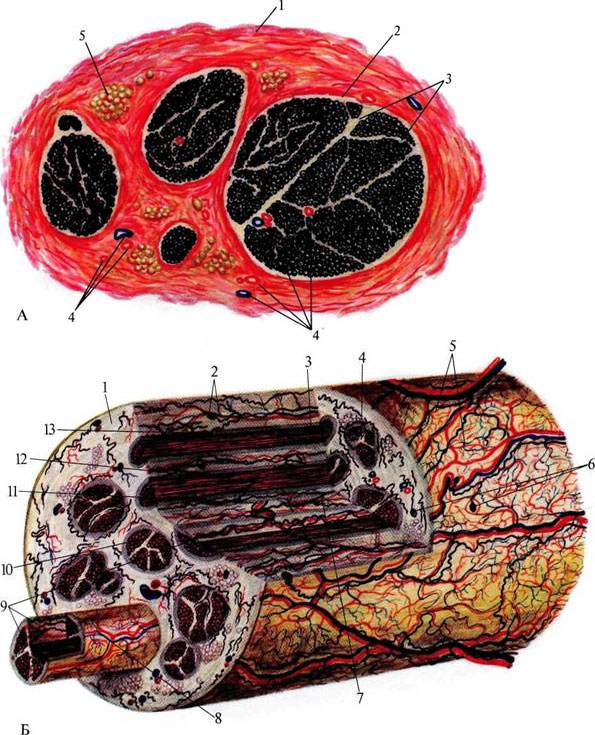
A | Neuron |
B | Nervus |
C | Ganglion |
D | Filum |
Question 23 Explanation:
Неврит – запалення одного чи більше нервів. / Neuritis – the inflammation of one or more nerves.
Question 24 |
Кришталик грецькою ? / Lens in Greek? 
A | Phacos |
B | Lens |
C | Retina |
D | Oculus |
Question 24 Explanation:
Афакія - природженна, або післяопераційна відсутність кришталика. / Aphakia is the absence of the lens of the eye, due to surgical removal.
Question 25 |
Шкіра грецькою? / How is the skin in Greek?

A | Dermis |
B | Corium |
C | Derma |
D | Cutis |
Question 25 Explanation:
Ксеродерма – надмірна сухість шкіри. / Xeroderma – excessive dryness of the skin.
Question 26 |

Маткова труба грецькою? / How is the uterine tube in Greek?
A | Uterotubus |
B | Tuba uterina |
C | Salpinx |
D | Vagina |
Question 26 Explanation:
Сальпінгіт - це запаленням однієї або відразу обох маткових (фаллопієвих) труб. / Salpingitis - an inflammation of one or both at once uterine (fallopian) tubes.
Question 27 |

Спинний мозок грецькою? / How is the Spinal cord in Greek?
A | Encephalon |
B | Myelos |
C | Medulla spinalis |
D | Medulla oblongata |
Question 27 Explanation:
Амієлія - повна відсутність спинного мозку.
ПОЛІОМІЄЛІТ (polios - сірий, myelos - спинний мозок, itis — запалення) - гостре вірусне захворювання, яке зумовлене поліовірусом та характеризується переважним ураженням ЦНС з виникненням парезів і паралічів (вірусом уражається сіра речовина спинного мозку).
Question 28 |
Стопа латинською? / How is the foot in Latin?
.jpg/220px-%D0%A1%D1%82%D0%BE%D0%BF%D1%8B_%D1%87%D0%B5%D0%BB%D0%BE%D0%B2%D0%B5%D0%BA%D0%B0_(%D0%BC%D1%83%D0%B6%D1%87%D0%B8%D0%BD%D0%B0).jpg)
A | Podos |
B | Pes |
C | Stapes |
D | Dorsum |
Question 28 Explanation:
Стопа – дистальна частина ноги, на якій особа стоїть і ходить, у людей: передплесно, плесно, фаланги та навколишні тканини. / Foot - the distal portion of the leg, upon which an individual stands and walks; in humans, the tarsus, metatarsus, phalanges, and the surrounding tissue.
Question 29 |
Кишка грецькою? / How is the bowel in Greek?

A | Intestinum |
B | Caecum |
C | Jejunum |
D | Enteron |
Question 29 Explanation:
Ентерорагія – кровотеча в кишковому тракті. / Enterorrhagia – bleeding within the intestinal tract.
Question 30 |
Кишка латинською? /
How is the bowel in Latin?

A | Enteron |
B | Ileum |
C | Intestinum |
D | Rectum |
Question 30 Explanation:
Кишка – трубкоподібна структура від шлунка до відхідника. / A bowel is a tube-like structure that extends from the stomach to the anus.
Question 31 |

Ротова порожнина латинською? / How is the oral cavity in Latin?
A | Cavitas oris |
B | Labium |
C | Jejunum |
D | Pharynx |
Question 31 Explanation:
Оральний – це те, що належить до ротової порожнини. / Oral - is something that belongs to mouth.
Question 32 |
Нирка латинською? / How is the kidney in Latin?

A | Nephros |
B | Frenulum |
C | Ren |
D | Frenulum |
Question 32 Explanation:
Нирка – один з двох органів в поперековій ділянці, що фільтрує кров, виділяючи кінцеві продукти метаболізму у формі сечі і регулює концентрацію водню, натрію, калію, фосфату та інших йонів в позаклітинній рідини. / The kidney is either of the two organs in the lumbar region that filter the blood, excreting the end-products of body metabolism in the form of urine, and regulating the concentrations of hydrogen, sodium, potassium, phosphate, and other ions in the extracellular fluid.
Question 33 |
Повіка латинською? / How is the eyelid in Latin?

A | Lacrima |
B | Supercilium |
C | Blepharon |
D | Palpebra |
Question 33 Explanation:
Повіка – це тонка складка шкіри, яка покриває та захищає око. / An eyelid is a thin fold of skin that covers and protects the eye.
Question 34 |
Нирка грецькою? / How is the kidney in Greek?

A | Phrenos |
B | Hilum |
C | Nephros |
D | Ren |
Question 34 Explanation:
Нефрит – запалення нирок. / Nephritis – the inflammation of the kidneys.
Question 35 |
Селезінка латинською? / How is the spleen in Latin?

A | Lien |
B | Splen |
C | Spleen |
D | Milz |
Question 35 Explanation:
Селезінка – великий лімфоїдний орган, що лежить зліва від шлунка нижче діафрагми і слугує для зберігання крові, знищення старих клітин крові, фільтрації сторонніх речовин з крові та утворення лімфоцитів. / A spleen is a large lymphoid organ, lying to the left of the stomach below the diaphragm and serving to store blood, disintegrate old blood cells, filter foreign substances from the blood, and to produce lymphocytes.
Question 36 |
Хребтовий стовп грецькою? /
Spinal column in Greek?
A | Costa |
B | Columna vertebralis |
C | Rhachis |
D | Spina |
Question 36 Explanation:
Рахіт - порушення мінерального обміну, (фосфорно-кальцієвого), що призводить до розладу правильного формування скелета і функцій внутрішніх органів і систем. /
Rickets is defective mineralization or calcification of bones.
Question 37 |
Мозкова оболонка грецькою? / How are the meninges in Greek?
A | Meninges |
B | Mater |
C | Tentorium |
D | Meningos |
Question 37 Explanation:
Менінгоцеле – грижове випинання оболонок мозку через дефект черепа чи хребта. / Meningocele – is hernial protrusion of the meninges through a defect in the cranium or vertebral column.
Question 38 |
Голова грецькою? / How is the head in Greek?
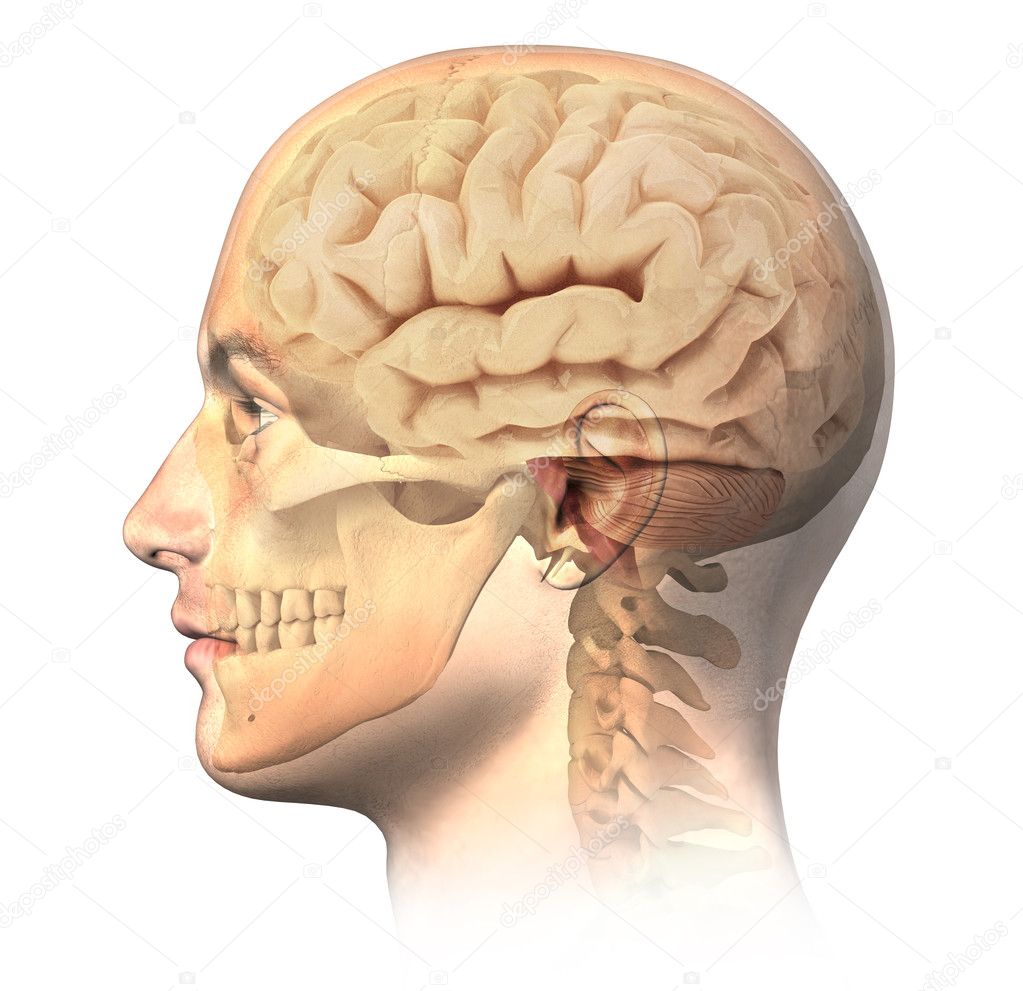
A | Mesencephalon |
B | Caput |
C | Encephalon |
D | Cephale |
Question 38 Explanation:
Брахіцефалія – короткоголовість. / Brachycephalia is the shortness of the head
Question 39 |
Нирка грецькою? / How is ren in Greek?
A | Ren |
B | Nephros |
Question 39 Explanation:
Нефрит — первинне захворювання нирок на імунній основі з пошкодженням усього нефрону.
Nephritis is inflammation of the kidneys and may involve the glomeruli, tubules, or interstitial tissue surrounding the glomeruli and tubules.
Question 40 |
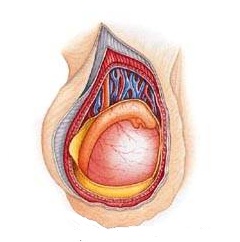
Яєчко грецькою? / How is the Testis in Greek?
A | Orchis |
B | Urethra |
C | Testis |
D | Epidydyma |
Question 40 Explanation:
Орхіт- запалення яєчка у людини. /
Orchitis - is inflammation of the testis.
Question 41 |
М’яз грецькою? /
How is the muscle in Greek?
A | Mylohyoideus |
B | Musculus |
C | Muscle |
D | Myos |
Question 41 Explanation:
Міозит – запалення скелетних м’язів.
Myositis – the inflammation of skeletal muscles.
Question 42 |
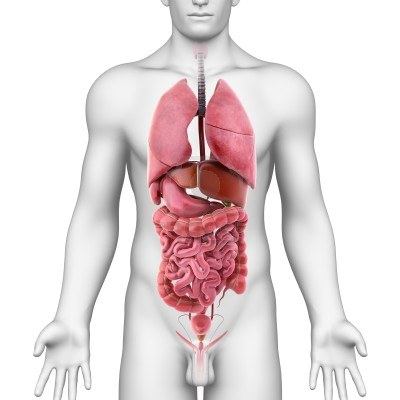
Внутрішні органи грецькою? / How are the interal organs in Greek?
A | splanchna |
B | organi |
C | morphos |
D | organs |
Question 42 Explanation:
Cпланхноптозом – зміщення органів черевної порожнини вниз порівняно їх нормальним становищем. Cplanhnoptozom - shift of the abdomen down compared to their normal position.
Question 43 |
Живіт латинською? /
How is the abdomen in Latin?
A | Thorax |
B | Lapara |
C | Abdomen |
D | Cavitas |
Question 43 Explanation:
Абдомінальна хірургія - хірургія в ділянці живота.
The abdomen is the part of the body that lies between the chest and the pelvis and encloses the stomach, intestines, liver, spleen, and pancreas.
Question 44 |

Язик латинською? / How is the Tongue in Latin?
A | Lingua |
B | Dentes |
C | Glossa |
D | Stoma |
Question 44 Explanation:
Лінгвальний:
1) Який має відношення до язика як органа.
2) Мовний. В артикулярній фонетиці – характеристика звуків, які вимовляються за допомогою кінчика язика.
Lingual:
1) What is relevant to the tongue as an organ.
2) language.
Question 45 |
Хребець грецькою? / How is the vertebra in Greek?

A | Protuberantia |
B | Condylus |
C | Spondylos |
D | Vertebra |
Question 45 Explanation:
Платиспондилія – розширення тіла хребця. / Platyspondylia - flatness of the bodies of the vertebrae.
Question 46 |
.jpg)
Товста кишка грецькою? / How is the Large intestine in Greek?
A | Rectum |
B | Proctos |
C | Kolon |
Question 46 Explanation:
Мегаколон (синоніми: хвороба Гіршпрунга, хвороба Чагаса, ідіопатичний мегаколон та ін) - гігантизм товстої кишки різного походження, що характеризується хронічним застоєм кишкового вмісту і розширенням ободової кишки із збільшенням її стінки. /
Megacolon is an abnormal dilation of the colon (also called the large intestine).
Question 47 |

Матка грецькою? / How is the uterus in Greek?
A | Alitus |
B | Pinealus |
C | Metra |
D | Uterus |
Question 47 Explanation:
Метрит - запалення м'язового і слизового шарів матки. / Metritis - inflammation of the mucous and muscular layers of the uterus.
Question 48 |
Головний мозок латинською? / How is the brain in Latin?
A | Encephalon |
B | Mesencephalon |
C | Pons |
D | Cerebellum |
Question 48 Explanation:
Енцефаліт — група захворювань, які характеризуються запаленням головного мозку.
Encephalitis — a group of diseases characterized by inflammation of the brain.
Question 49 |
Мозкова оболонка латинською? / How are the meninges in Latin?

A | Plica |
B | Mater |
C | Meningos |
D | Tunica |
Question 49 Explanation:
Мозкові оболонки – три оболонки, які вкривають головний та спинний мозок:тверда, павутинна та м’яка оболонки. / Meninges are the three membranes covering the brain and spinal cord: dura mater, arachnoid, and pia mater.
Question 50 |

Зуб грецькою? / How is the tooth in Greek?
A | Stoma |
B | Lingua |
C | Dontia |
D | Dens |
Question 50 Explanation:
Пародонтит – запалення тканин, які оточують зуб (пародонт). Periodontitis - inflammation of the tissues surrounding the tooth (periodontal).
Question 51 |
Ниркова миска латинською? / How is the renal pelvis in Latin?

A | Calices renales |
B | Pelvis renalis |
C | Papilla renalis |
D | Pyelos |
Question 51 Explanation:
Ниркова миска – середній відділ нирки, куди збирається сеча після фільтрації з крові. / The renal pelvis is the middle section of the kidney where urine first collects after filtration from the blood.
Question 52 |
Ніготь грецькою? / How is the nail in Greek?

A | Unguis |
B | Eponychium |
C | Onychos |
Question 52 Explanation:
Оніхомікозіс – грибкова інфекція нігтів. / Onychomycosis – is a fungal infection of the nails.
Question 53 |
Зуб грецькою? / How is the tooth in Greek?

A | Periodontium |
B | Dens |
C | Odontos |
D | Cuspis |
Question 53 Explanation:
Одонтіт – це нетипове збільшення в розмірах зубної пульпи через запалення одонтобластів в результаті інфекції, пухлини чи травми. / Odontitis – is an atypical increase in the size of tooth pulp due to an inflammation of odontoblasts as a result of infection, tumor or trauma.
Question 54 |

Глотка латинською? / How is the pharynx in Latin?
A | Larynx |
B | Pharynx |
C | Gaster |
D | Hepar |
E | Faryngas |
Question 54 Explanation:
Фарингіт — запалення слизової оболонки та лімфоїдної тканини глотки. Характерний біль в горлі (особливо при ковтанні). Pharyngitis - inflammation of the mucosa and lymphoid tissue of the pharynx. A typical sore throat (especially when swallowing).
Question 55 |
Залоза грецькою? / What is gland in Greek?

A | Gypophisis |
B | Aden |
C | Glandula |
D | Cheir |
Question 55 Explanation:
Аденома - доброякісна пухлина будь-якої залози. / Adenoma is a benign tumor of epithelial tissue with glandular origin, glandular characteristics, or both.
Question 56 |

Ротова порожнина грецькою? / How is the oral cavity in Greek?
A | Stoma |
B | Cavum nasi |
C | Cavum oris |
D | Lingua |
Question 56 Explanation:
Стоматит - запалення слизової оболонки ротової порожнини. Stomatitis - inflammation of the mucous membrane of the mouth.
Question 57 |
Ниркова миска грецькою? / How is the renal pelvis in Greek?
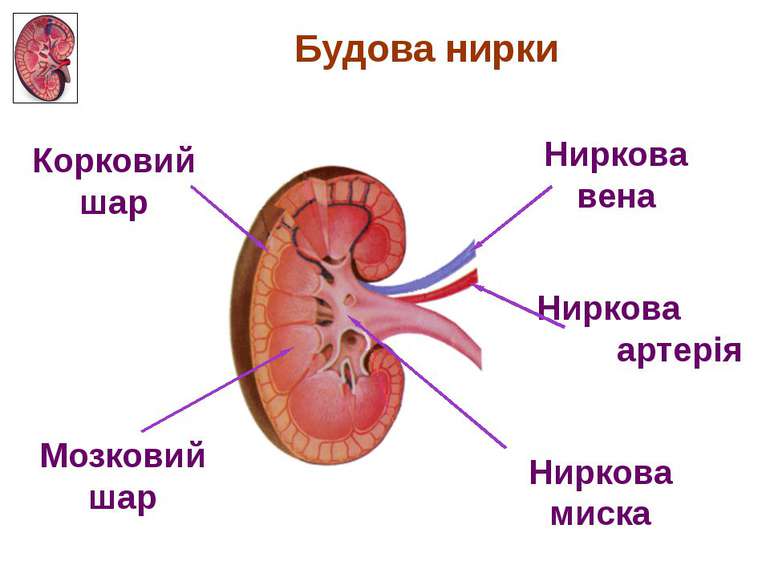
A | Renal pelvis |
B | Pyelos |
C | Pylorus |
D | Pelvis renalis |
Question 57 Explanation:
Пієлонефрит – запалення паренхіми нирок, чашечок та ниркової миски. / Pyelonephritis - is an inflammation of the kidney tissue, calyces, and pelvis.
Question 58 |
М’яз латинською? / How is the muscle in Latin?

A | Musculus |
B | Muscularis |
C | Muscle |
D | Myos |
Question 58 Explanation:
М'яз складається з скелетної м'язової тканини, сполучної тканини, нервової тканини і крові або судинної тканини. / Muscle consists of skeletal muscle tissue, connective tissue, nerve tissue, and blood or vascular tissue.
Question 59 |
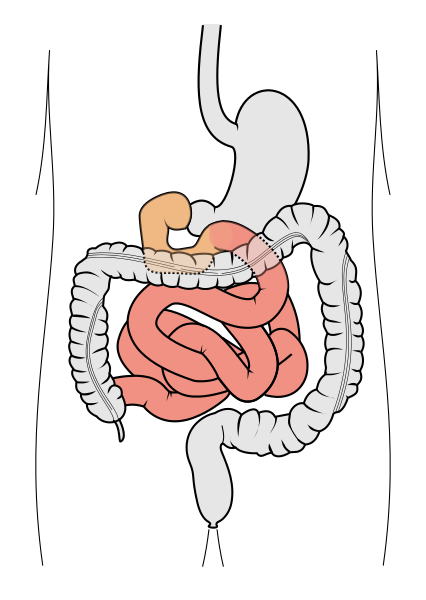
Тонка кишка грецькою? / How is the Small intestine in Greek?
A | Enteron |
B | Intestinum tenue |
C | Duodenum |
Question 59 Explanation:
Ентерит - це запалення слизової оболонки тонкої кишки. Enteritis - an inflammation of the mucous membrane of the small intestine.
Question 60 |
Волосина грецькою? / How is the hair in Greek?

A | Papilla |
B | Pilus |
C | Trichos |
D | Bulbus |
Question 60 Explanation:
Тріхальгія – біль, викликаний дотиком до волосся. / Trichalgia – pain produced by touching the hair.
Question 61 |
Хрящ грецькою? / How is the cartilage in Greek?
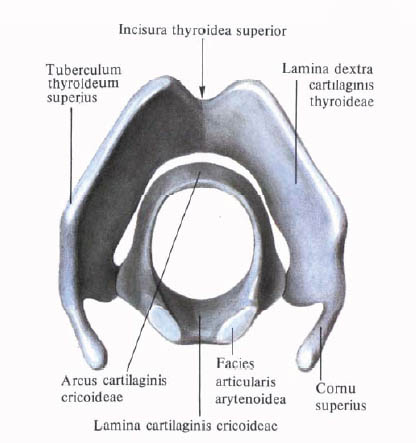
A | Cartilago |
B | Chondros |
C | Synchondrosis |
D | Chondrocranium |
Question 61 Explanation:
Хондромаляція – ненормальне розм’якшення хряща. / Chondromalacia – abnormal softening of cartilage.
Question 62 |
Ніготь латинською? / How is the nail in Latin?
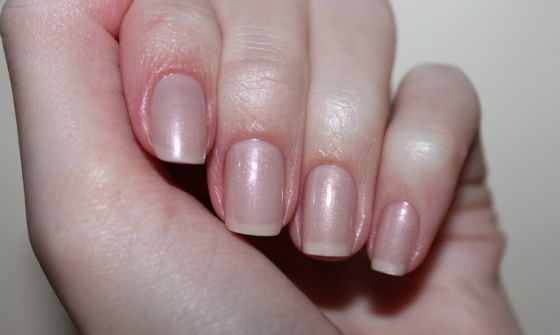
A | Onychos |
B | Hyponychium |
C | Unguis |
D | Vallum |
Question 62 Explanation:
Ніготь – плоска еластична структура з роговою текстурою на кінці пальця руки чи ноги. / A nail is a flattened elastic structure with a horny texture at the end of a finger or a toe.
Question 63 |
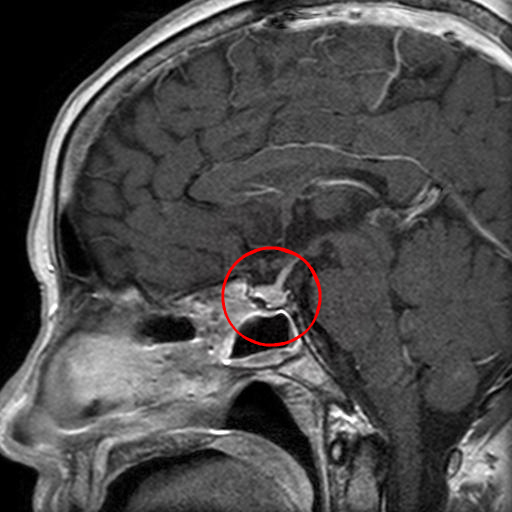
Гіпофіз грецькою? / How is the Pituitary gland in Greek?
A | Glandula thyroidea |
B | Glandula pituitaria |
C | Corpus pineale |
D | Metencephalon |
Question 63 Explanation:
Гіпопітуїтаризм — захворювання, в основі якого лежить дифузне ураження гіпоталамо-гіпофізарної ділянки з випадінням функцій гіпофіза і недостатністю периферійних ендокринних залоз. / Hypopituitarism is the decreased (hypo) secretion of one or more of the eight hormones normally produced by the pituitary gland at the base of the brain.
Question 64 |
Повіка грецькою? /
How is the eyelid in Greek?
A | Palpebra |
B | Blepharon
|
C | Oculus
|
D | Cilia
|
Question 64 Explanation:
Блефарит – запалення країв повік.
Blepharitis – the inflammation of the eyelid.
Question 65 |
Селезінка грецькою? / How is the spleen in Greek?

A | Pulpa |
B | Spleen |
C | Lien |
D | Splen |
Question 65 Explanation:
Спленальґія – біль в ділянці селезінки. / Splenalgia - pain in the region of the spleen.
Question 66 |
Коліно латинською? / How is the knee in Latin?
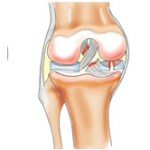
A | Sura |
B | Poples |
C | Gony |
D | Genu |
Question 66 Explanation:
Коліно – це ділянка навколо колінного суглоба. / Knee is the area around the knee joint.
Question 67 |
Піхва грецькою? / How is the vagina in Greek?
A | Uterus |
B | Ovarium |
C | Colpos |
D | Vagina |
Question 67 Explanation:
Кольпіт – запалення слизової оболонки піхви.
Colpitis is inflammation of the mucous vagina.
Question 68 |
Сухожилок латинською? /
How is the tendon in Latin?
A | Tendon |
B | Tendo |
C | Junctura |
D | Tenon |
Question 68 Explanation:
Сухожилок – це міцна смужка волокнистої сполучної тканини, яка з’єднує м’яз з кісткою і спроможна витримувати напругу. /
A tendon is a tough band of fibrous connective tissuethat usually connects muscle to bone and is capable of withstanding tension.
Question 69 |
Суглоб грецькою? /
How is the joint in Greek?
A | Articulatio |
B | Synostosis |
C | Synovia |
D | Arthron |
Question 69 Explanation:
Панартрит – запалення всіх тканин суглоба. /
Panarthritis – the inflammation involving all the tissues of a joint.
Question 70 |
Рука латинською? / How is the hand in Latin?

A | Cheir |
B | Manus |
C | Gigitus |
D | Podos |
Question 70 Explanation:
Рука – дистальна частина верхньої кінцівки, що складається із зап’ястка, п’ястка та фаланг пальців. / A hand is the distal part of the upper limb, consisting of the carpus, metacarpus, and fingers.
Question 71 |
Голова латинською? /
How is the head in Latin?
A | Caput |
B | Capitulum |
C | Sinciput |
D | Cephale |
Question 71 Explanation:
Голова – це частина організму, що містить головний мозок та органи чуття. /
A head is the part of an organism containing the brain and organs of special sense.
Question 72 |
Коліно грецькою? / How is the knee in Greek?
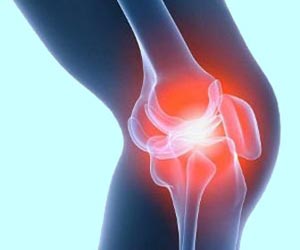
A | Genu |
B | Patella |
C | Gony |
D | Crus |
Question 72 Explanation:
Гоніт – ураження колінного суглобу. / Gonitis – the inflammation of the stifle (femorotibial) joint.
Question 73 |
Матка грецькою? / How is the uterus in Greek?

A | Hystera |
B | Uterus |
C | Urethra |
D | Ureter |
Question 73 Explanation:
Гістеректомія – оперативне видалення матки. / Hysterectomia – is an operation to remove a woman`s uterus.
Question 74 |
Око грецькою? / How is the eye in Greek?

A | Ophthalmos |
B | Retina
|
C | Sclera |
D | Oculus |
Question 74 Explanation:
Офтальміт – запалення ока. / Ophthalmitis – the inflammation of the eye.
Question 75 |
Нерв латинською? / How is the nerve in Latin?
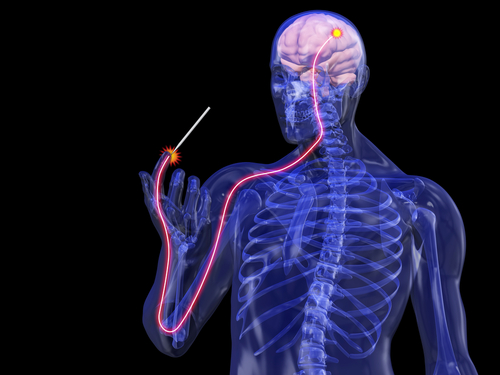
A | Plexus |
B | Neuron |
C | Radix |
D | Nervus |
Question 75 Explanation:
Нерв – закритий, подібний до кабеля, пучок аксонів, шо належить до периферійної нервової системи. / A nerve is an enclosed, cable-like bundle of axons in the peripheral nervous system.
Question 76 |
Шкіра латинською? / How is the skin in Latin?

A | Derma
|
B | Epidermis |
C | Hypodermis |
D | Cutis |
Question 76 Explanation:
Шкіра – це зовнішній захисний покрив тіла, який складається з дерми та епідермісу. / The skin is the outer protective covering of the body, consisting of the dermis and the epidermis.
Question 77 |
Cечовий міхур грецькою? / How is the bladder in Greek?
A | Vesica urinaria |
B | Celle |
C | Cystis |
Question 77 Explanation:
Цистит - запалення слизової сечового міхура. Cystitis - inflammation of the bladder.
Question 78 |
Хрящ латинською? / How is the cartilage in Latin?
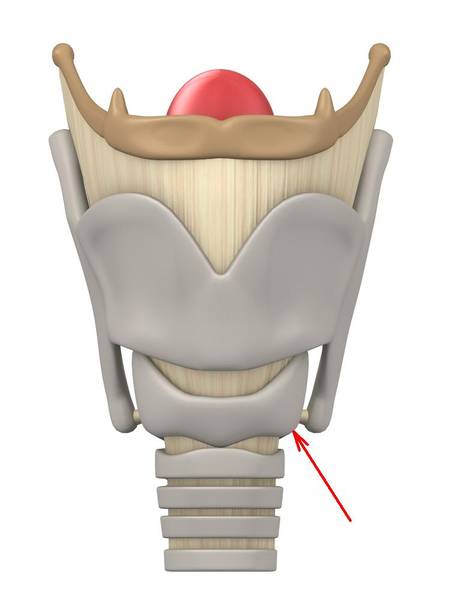
A | Cartilage |
B | Cartilago |
C | Chondros |
D | Perichondrium |
Question 78 Explanation:
Хрящ – спеціальна, волокниста сполучна тканина. Основні типи хряща: гіаліновий, еластичний та волокнистий. / Cartilage is a specialized, fibrous connective tissue. The three most important types are hyaline cartilage, elastic cartilage, and fibrocartilage.
Question 79 |
Вухо грецькою? / How is the ear in Greek?

A | Auricula |
B | Auris |
C | Otos |
D | Tragus |
Question 79 Explanation:
Отопластика – хірургічне відновлення вушної раковини. / Otoplastica – the surgical repair of the auricle of the ear.
Question 80 |

Печінка латинською? / How is the liver in Latin?
A | Pulmo |
B | Hepar |
C | Pancreas |
Question 80 Explanation:
Гепатит - це запальне захворювання печінки. Hepatitis - inflammatory disease of the liver.
Question 81 |

Пряма кишка грецькою? / How is the rectum in Greek?
A | Rectum |
B | Proctos |
C | Colon |
Question 81 Explanation:
Прокти́т — це запалення слизової оболонки прямої кишки та анального отвору. Proctitis - inflammation of the mucous membrane of the rectum and anus.
Question 82 |

Шишкоподібна залоза грецькою? / How is the Pineal gland in Greek?
A | Metencephalon |
B | Cystis |
C | Corpus pineale |
D | Hypothalamus |
Question 82 Explanation:
Пінеоцитома, або пінеалоцитома - рідкісна доброякісна пухлина шишкоподібної залози (шишкоподібного тіла або епіфіза). / Pineocytoma, also known as a pinealocytoma, is a benign, slowly growing tumor of the pineal gland.
Question 83 |
Кістка грецькою? / How is the bone in Greek?

A | Malleolus |
B | Osteon |
C | Ossicula |
D | Os |
Question 83 Explanation:
Остеомаляція – розм’якшення кісток. / Osteomalacia is the softening of the bones.
Once you are finished, click the button below. Any items you have not completed will be marked incorrect.
Get Results
There are 83 questions to complete.
← |
List |
→ |
Return
Shaded items are complete.
| 1 | 2 | 3 | 4 | 5 |
| 6 | 7 | 8 | 9 | 10 |
| 11 | 12 | 13 | 14 | 15 |
| 16 | 17 | 18 | 19 | 20 |
| 21 | 22 | 23 | 24 | 25 |
| 26 | 27 | 28 | 29 | 30 |
| 31 | 32 | 33 | 34 | 35 |
| 36 | 37 | 38 | 39 | 40 |
| 41 | 42 | 43 | 44 | 45 |
| 46 | 47 | 48 | 49 | 50 |
| 51 | 52 | 53 | 54 | 55 |
| 56 | 57 | 58 | 59 | 60 |
| 61 | 62 | 63 | 64 | 65 |
| 66 | 67 | 68 | 69 | 70 |
| 71 | 72 | 73 | 74 | 75 |
| 76 | 77 | 78 | 79 | 80 |
| 81 | 82 | 83 | End |
Return
You have completed
questions
question
Your score is
Correct
Wrong
Partial-Credit
You have not finished your quiz. If you leave this page, your progress will be lost.
Correct Answer
You Selected
Not Attempted
Final Score on Quiz
Attempted Questions Correct
Attempted Questions Wrong
Questions Not Attempted
Total Questions on Quiz
Question Details
Results
Date
Score
Hint
Time allowed
minutes
seconds
Time used
Answer Choice(s) Selected
Question Text
All done
Need more practice!
Keep trying!
Not bad!
Good work!
Perfect!

discite
